

Engine Braking in Motorcycle: Mastering Safe and Efficient Riding
Engine braking is a key technique for motorcycle riders. It helps control speed without using the brakes.
Motorcycle enthusiasts know the thrill of riding. Yet, safety and control are crucial. Engine braking offers a way to slow down using the engine rather than the brakes. This technique can extend the life of your brake pads, improve your riding skills, and might be lifesaving during an emergency.
Understanding engine braking can also make your rides smoother. We’ll explore what engine braking is, how it works, its benefits, and when to use it. Get ready to enhance your riding experience with this essential skill.
Introduction To Engine Braking
Engine braking is a technique riders use to slow down their motorcycles without using the brakes. It involves downshifting gears to use the engine’s resistance to reduce speed. This method provides better control and can extend the life of your brake pads. Let’s dive into the details of engine braking and its benefits.
What Is Engine Braking?
Engine braking occurs when you decelerate by downshifting through the gears. This uses the engine’s compression to slow the bike. Unlike regular braking, this method does not involve the brake system.

The engine’s RPM (revolutions per minute) drops when you release the throttle. This creates a resistance that helps slow down the motorcycle. This resistance is what we call engine braking.
Benefits Of Engine Braking
Engine braking offers several advantages for motorcycle riders. Here are some key benefits:
- Extended Brake Life: Using engine braking reduces the wear and tear on your brake pads.
- Improved Control: It provides better control during deceleration, especially on slippery roads.
- Fuel Efficiency: Engine braking can help improve fuel efficiency as it reduces the need for sudden acceleration and braking.
- Reduced Overheating: By not relying solely on the brakes, it helps prevent overheating of the brake system.
Overall, engine braking is a useful technique that can enhance your riding experience. It is especially beneficial during long rides and in challenging road conditions.
Mechanics Of Engine Braking
Understanding the mechanics of engine braking can enhance your riding experience. Engine braking uses the engine’s resistance to slow down the motorcycle. This method offers a smoother and more controlled deceleration. Let’s delve into how it works and compare it with traditional braking.
How Engine Braking Works
Engine braking happens when you release the throttle. The throttle controls fuel and air entering the engine. Releasing it cuts the fuel supply, but the engine continues to rotate. This creates a vacuum in the cylinders. The vacuum slows down the bike.
As the engine slows, so does the motorcycle. This method uses engine resistance instead of brake pads. It reduces wear on the braking system. Engine braking also helps maintain better control over the bike.
Comparison With Traditional Braking
Traditional braking relies on brake pads and discs. Pressing the brake lever activates the brake pads. They clamp onto the discs, creating friction. This friction slows down the motorcycle.

Engine braking does not use brake pads. It relies on engine resistance. This can be gentler on the bike’s braking components. But it may not stop the bike as quickly as traditional brakes.
Both methods have their advantages. Traditional brakes offer quicker stops. Engine braking provides smoother deceleration. Using both methods together can improve riding safety and control.
Techniques For Effective Engine Braking
Engine braking in motorcycles offers many benefits. It helps in maintaining control and saving brake life. Mastering it involves practice and understanding key techniques. Let’s explore two essential techniques for effective engine braking.
Throttle Control
Throttle control is crucial for smooth engine braking. Start by closing the throttle gently. This reduces the fuel supply to the engine. The engine slows down, creating a braking effect. Avoid snapping the throttle shut. This can cause abrupt engine braking. Smooth and gradual throttle control ensures stability and comfort.
Downshifting
Downshifting plays a vital role in engine braking. Begin by reducing the throttle. Then, pull in the clutch and shift to a lower gear. Release the clutch slowly to let the engine match the wheel speed. This creates a braking force from the engine. Repeat the process through the gears to slow down effectively. Precise downshifting ensures better control and smoother rides.
Safety Considerations
Engine braking is a valuable technique for motorcycle riders. It helps control speed and maintain safety. But there are essential safety considerations to keep in mind. Knowing these can prevent mishaps and ensure a smooth ride.
Avoiding Engine Damage
Engine braking involves downshifting to slow down. This can strain the engine if not done correctly. Always match the engine speed with the road speed. This reduces wear on the engine components.
Do not downshift too quickly. It can cause the engine to over-rev, leading to potential damage. Pay attention to the RPM gauge. Keep the RPMs in a safe range. Regular maintenance is also crucial. Check the clutch and transmission for wear.
Managing Speed And Traction
Engine braking helps manage speed without using the brakes. This can increase the lifespan of your brake pads. Use engine braking on wet or slippery roads. It provides better control and reduces the risk of skidding.
Maintain a steady throttle when downshifting. This ensures smooth transitions and stable traction. Be mindful of your rear tire. Sudden downshifts can cause it to lose grip. Practice in safe areas before using engine braking in traffic.
Engine Braking In Different Conditions
Understanding how to use engine braking in different conditions can improve your riding experience. It also enhances your safety on the road. Let’s explore how engine braking works in various scenarios.
Wet And Slippery Roads
Engine braking on wet roads requires extra caution. The reduced traction makes it easier to lose control. To stay safe, use gentle engine braking. Avoid abrupt throttle changes. This helps maintain your bike’s balance.
Always keep a steady pace. Slow down gradually. Engine braking can prevent wheel lock-up. This is especially important in wet conditions. Brake smoothly and keep your movements fluid.
Descending Hills
Using engine braking while descending hills can save your brakes. It helps control your speed without overheating your brake pads. Shift to a lower gear before starting the descent. This lets the engine manage your speed.
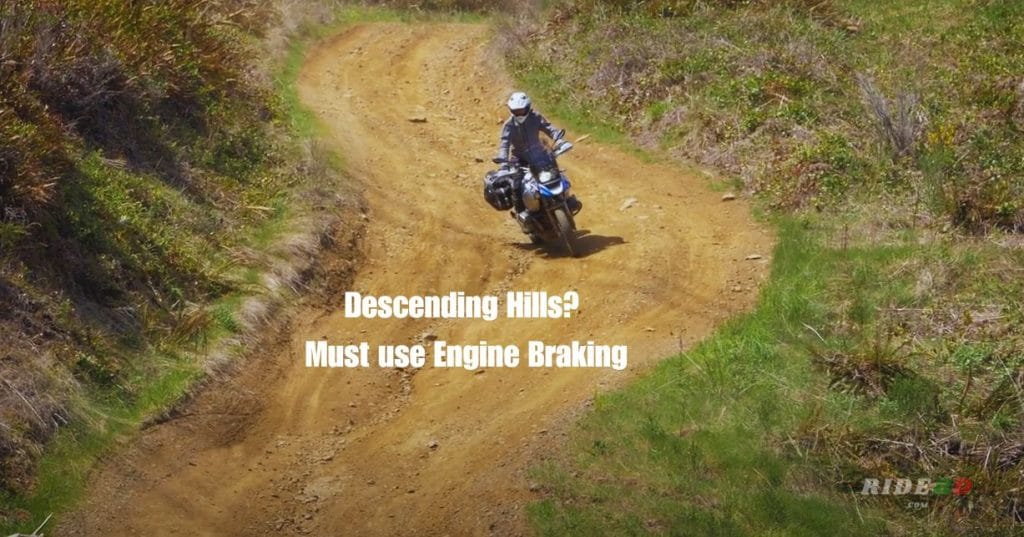
Engine braking provides a more controlled ride down steep hills. It reduces the risk of brake failure. You’ll maintain better control of your motorcycle. Always anticipate the slope and adjust gears accordingly.
Common Mistakes And How To Avoid Them
Engine braking in motorcycles is a valuable technique. It helps to slow down without using the brakes. Yet, many riders make common mistakes. These can lead to issues or even accidents. Understanding these mistakes and knowing how to avoid them is essential for safe riding.
Over-reliance On Engine Braking
Many riders rely too much on engine braking. This can be risky. Engine braking alone may not stop your bike quickly enough. It can lead to longer stopping distances. This is dangerous in emergencies. Always use engine braking with regular brakes for better control.
Incorrect Gear Selection
Selecting the wrong gear is another common mistake. It reduces the effectiveness of engine braking. Shifting to a gear that is too high or too low can cause problems. It may lead to engine stalling or loss of control. Always choose the correct gear for your speed.
Practice shifting gears smoothly. This ensures effective engine braking. It also keeps your ride safe and smooth.
Maintenance Tips
Engine braking in motorcycles can extend the life of your brake pads. Keeping your bike in top shape is crucial for safe riding. Here are some essential maintenance tips to ensure your engine braking system runs smoothly.
Engine Health
Maintaining engine health is vital for effective engine braking. Regularly check your engine oil level. Low oil can cause engine wear. Change the oil every 3,000 to 5,000 miles.
Inspect the air filter. A dirty filter restricts airflow and affects engine performance. Clean or replace the air filter every 12,000 miles or sooner if riding in dusty areas.
Ensure the spark plugs are in good condition. Worn spark plugs can reduce engine efficiency. Replace them every 15,000 miles.
Brake System Check
Although engine braking reduces the use of brake pads, maintaining the brake system is still important. Check the brake fluid level regularly. Low brake fluid can lead to brake failure. Top up with the recommended fluid.
Inspect the brake pads for wear. Replace them if they are less than 2mm thick. Look at the brake rotors for any signs of warping or damage.
Ensure the brake lines are in good condition. Cracks or leaks can lead to brake failure. Replace any damaged lines immediately.
Finally, test your brakes before every ride. Make sure they engage smoothly and effectively.
Advanced Engine Braking Techniques
Advanced engine braking techniques can greatly enhance your riding experience. These methods help you maintain control and ride smoothly. They also reduce wear on your brakes. Two key techniques are blipping the throttle and rev-matching. Let’s dive into these techniques.
Blipping The Throttle
Blipping the throttle involves quickly opening and closing the throttle. This action matches engine speed with the lower gear. It helps to smooth out gear changes. It reduces the shock to the drivetrain. To blip the throttle, squeeze the clutch and downshift. Then, quickly twist the throttle before releasing the clutch. This technique requires practice. But it can improve your riding significantly.
Rev Matching
Rev matching is another essential technique. It involves synchronizing the engine speed with the wheel speed. This makes gear shifts smoother. To rev match, pull in the clutch and downshift. Then, increase the engine speed to match the lower gear. Release the clutch smoothly. This technique reduces strain on the transmission. It also provides a more controlled ride. Practice is key. Over time, you’ll get better at rev matching.
Frequently Asked Questions
Is Engine Braking Bad For Motorcycles?
No, engine braking is generally safe. It reduces wear on brake pads and offers better control.
How Do You Engine Brake On A Motorcycle?
To engine brake, release the throttle and downshift smoothly. The engine slows the bike gradually.
Does Engine Braking Save Fuel?
Yes, engine braking can save fuel. It cuts off the fuel supply when the throttle is closed, increasing efficiency.
Conclusion
Understanding engine braking in motorcycles enhances both safety and control. Practicing this technique can prolong brake life. It also helps in maintaining better speed control, especially on steep descents. Remember, it’s a valuable skill for every rider. Always ensure your bike is well-maintained.
Safe riding ensures a more enjoyable experience. Keep learning and improving your riding techniques. Happy riding!