


Understanding Death Wobble: Causes, Diagnosis, and Solutions
As a motorcycle rider death wobble or tank slapper is possibly your worst nightmare. Imagine you are riding at 100 mph on a busy highway and suddenly the front wheel and the handlebar of your motorcycle start zigzagging and shaking like crazy, this particular situation is basically referred to as a death wobble or tank slapper. It is a dangerous situation and can be fatal if not handled properly.
Table of Contents:
What is Death Wobble?
Death wobble is a dangerous condition that occurs in vehicles, particularly motorcycles, where the front wheel experiences rapid and uncontrollable side-to-side shaking, often leading to loss of control.
Characteristics of Wobble
Wobble typically feels like the handlebars or the front of the bike is moving side-to-side without your input. It can start as a subtle shake and escalate quickly depending on speed, road conditions, or mechanical issues. In severe cases, riders fail to keep their motorcycle under control and end up having an accident.
What Measures to Take While Facing Death Wobble
So you are suddenly experiencing death wobble at a very high speed. Don’t panic follow the following steps to prevent any major accidents and injuries from happening.
Dont Hit the Brakes
Another major mistake that you can possibly make is to hit the front brakes while facing the death wobble or tank slapper. Your natural instinct will suggest you to hit the brakes as hard as possible, but heavy braking while the bike is already in an unsteady state will ultimately result in falling down the road.
Keeping Your Grip on the Handlebars & Not Letting Go
Many riders make the mistake of letting go of the handlebar, this is one of the major mistakes that you can make in that particular situation. But keep in mind don’t grab the handlebar too tightly as this can backfire. The rapid oscillation can keep on going if you decide to keep a strong grip. Additionally, a strong grip can result in hurting your wrists and elbows.
What you need to do is to ease off the throttle, bend your elbows, and gently push your upper body towards the fuel tank. Also, keep your legs fitted to the body of your motorcycle. This will eventually help you to stabilize the front wheel of your bike.
What Causes a Death Wobble?
Wobble doesn’t just happen out of nowhere—it’s usually caused by mechanical, environmental, or rider-related issues. Addressing the root cause is crucial to ensuring safety.
Improper Suspension Setup
A poorly adjusted suspension can throw off the bike’s balance. If the front or rear suspension isn’t set up correctly for the rider’s weight or style, it can destabilize the bike. Overly loose or tight suspension creates inconsistent handling, increasing the risk of wobble.
Tire Issues
Tires are one of the most common culprits. Low tire pressure, uneven wear, or damaged sidewalls can drastically affect stability. Worn tires often fail to grip the road properly, while low pressure can cause the bike’s handling to feel sluggish or unpredictable.
Rider Technique
The way you ride also plays a major role. Poor posture or an uneven load can shift the bike’s weight incorrectly, contributing to instability. For example, gripping the handlebars too tightly or leaning unnaturally can amplify the wobble instead of correcting it. Also, holding the handlebar as close as possible (death gripping) can result in a death wobble as well.
How to Diagnose Wobble
Diagnosing motorcycle wobble takes some investigation. Addressing it starts with narrowing down possible causes.
Visual Inspection
Start by carefully examining your motorcycle. Look for:
- Uneven tire wear or damage.
- Suspension leaks or improper settings.
- Loose or misaligned handlebars.
- Worn wheel bearings.
- Loose bolts, especially in the steering assembly.
Checking these elements can help rule out obvious mechanical issues.
Test Rides
If the visual inspection doesn’t uncover the issue, take the bike for a controlled test ride. Use different speeds to identify when the wobble begins. Pay close attention to whether it’s coming from the front or rear. This information can pinpoint the problem area.
Solutions for Motorcycle Wobble
Once you’ve identified the cause, the next step is fixing it. Many wobble issues are straightforward to correct, but they require attention to detail.
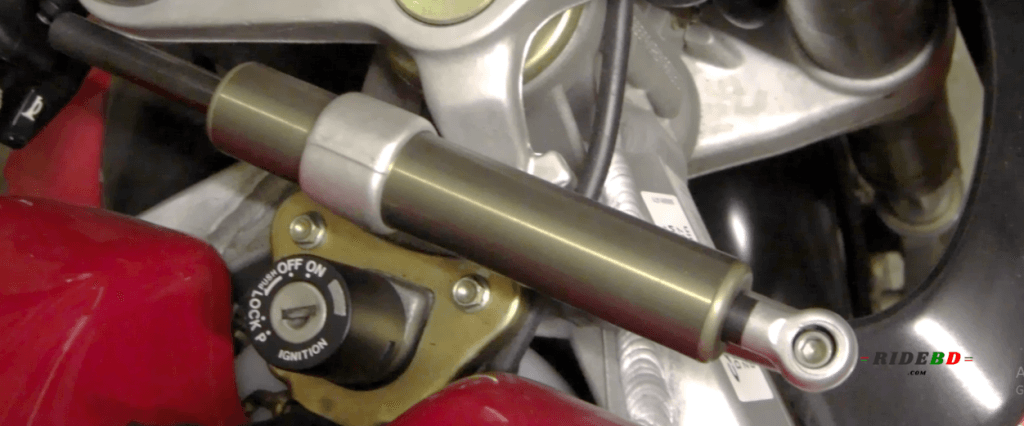
Installing or Adjusting the Steering Damper
The steering damper works by resisting rapid changes in the direction of the handlebars, reducing the severity of vibrations and fluctuations. If your motorcycle already has a steering damper installed adjusting it might result in being beneficial.
Adjusting Suspension Settings
Proper suspension tuning is key for a stable ride. Check the owner’s manual for the recommended settings and adjust accordingly. If you’re unsure, consult a professional mechanic. Ensuring the front and rear suspension match your weight and riding conditions can significantly reduce wobble.
Tire Maintenance
Tire care is crucial to stability. Always check and maintain the correct tire pressure listed by the manufacturer. Replace tires with uneven wear or visible damage immediately. Rotating or swapping tires can also extend their life and prevent wobble caused by irregular wear.
Improving Riding Techniques
Your riding habits can either prevent or worsen wobble. Focus on maintaining proper posture—sit upright with your shoulders relaxed, and avoid gripping the handlebars too tightly. Carry luggage evenly to distribute weight correctly. This improves overall handling and lowers the risk of wobble.
Conclusion
Death wobble or tank slapper is a common but preventable issue. It’s often caused by mechanical problems, poor maintenance, or riding errors. By understanding what causes wobble, inspecting your bike regularly, and making adjustments where needed, you can reduce the risk significantly. Safe riding starts with a well-maintained bike and an informed rider. Always address wobble early to keep yourself and others safe on the road.
Frequently Asked Questions (FAQ)
What causes a death wobble on a motorcycle?
A death wobble on a motorcycle is typically caused by instability in the front wheel due to factors like improper tire pressure, misaligned suspension, loose steering components, or uneven weight distribution. High speeds, sudden movements, or road imperfections can further trigger or worsen the wobble, making it dangerous for the rider.