

Motorcycle Maintenance: Essential Tips for Smooth Ride
Maintaining a motorcycle is crucial for safety and performance. Regular care ensures your bike runs smoothly and lasts longer.
Motorcycle maintenance might seem daunting, but it doesn’t have to be. With the right knowledge and tools, anyone can keep their bike in top shape. This guide will help you understand the basics of motorcycle upkeep. We’ll cover essential tasks like checking tire pressure, oil changes, and brake inspections.
Proper maintenance not only prevents breakdowns but also enhances your riding experience. By following simple steps, you can avoid costly repairs and ensure your bike stays reliable. Whether you’re a new rider or a seasoned biker, understanding motorcycle maintenance is key. Let’s dive into the essentials and keep your motorcycle running at its best.
Regular Inspections
Regular inspections are crucial for motorcycle maintenance. They help keep your ride safe and smooth. It is essential to check vital components regularly. This ensures your motorcycle remains in top condition.
Checking Tires
Tires are a critical part of your motorcycle. Inspect them for any cuts, punctures, or cracks. Ensure they have the right air pressure. Properly inflated tires provide better grip and fuel efficiency. Check the tread depth too. Worn-out treads can be dangerous, especially on wet roads.
Examining Brakes
Brakes are your main safety feature. Inspect brake pads and discs for wear. Worn pads can reduce braking efficiency. Ensure brake fluid levels are adequate. Low levels can affect braking performance. Listen for any unusual noises when braking. Squeaking or grinding sounds indicate problems.
Credit: www.gulfoilltd.com
Fluid Levels
Maintaining the fluid levels in your motorcycle is crucial for its performance. Regular checks ensure that your bike runs smoothly and efficiently. These fluids include engine oil and coolant. Both play vital roles in keeping your motorcycle in top shape.
Engine Oil
Engine oil lubricates the motorcycle’s engine parts. It reduces friction and prevents wear. Check your bike’s engine oil level regularly. Locate the dipstick or oil window. Ensure the oil level is between the minimum and maximum marks. Refill if needed. Use the oil type recommended by your bike’s manufacturer. Clean oil is key. Dirty or old oil can damage the engine. Change the oil as per the service manual’s intervals. This keeps your engine running smoothly.
Coolant Levels
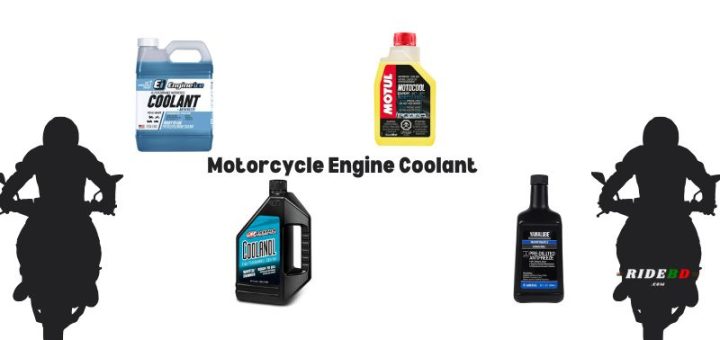
Coolant prevents your motorcycle from overheating. It absorbs and dissipates heat from the engine. Check the coolant level in the overflow tank. Ensure it is between the “low” and “full” marks. If it is low, add the recommended coolant type. Do not mix different coolant types. Check the radiator cap if the tank level is low. Make sure the cap is secure. Inspect the coolant hoses for leaks or damage. Keeping the coolant at the right level prevents engine overheating.
Chain Maintenance
Maintaining your motorcycle chain is crucial for a smooth ride. A well-maintained chain ensures safety and extends the life of your motorcycle. This section covers essential aspects of chain maintenance, focusing on lubrication and tension adjustment.
Lubrication
The chain needs regular lubrication. It reduces friction and prevents rust. Use a quality chain lubricant for best results.
- Clean the chain first. Use a chain cleaner and a brush.
- Apply the lubricant while the chain is warm. This helps it penetrate better.
- Rotate the rear wheel to apply evenly. Cover every link.
- Wipe off excess lubricant. This prevents dirt buildup.
Lubricating the chain every 300-600 miles is ideal. This interval may vary based on riding conditions.
Tension Adjustment
Proper chain tension is vital. It affects performance and safety. A loose chain can slip off, while a tight chain can break.
- Check the owner’s manual for the recommended tension.
- Measure the chain slack. Use a ruler or measuring tool.
- Adjust the tension using the chain adjusters. They are usually found on the rear wheel.
- Tighten the axle nuts after adjustment. Ensure the wheel is aligned.
Inspect the chain tension every 500 miles. This helps catch issues early.
Below is a table summarizing the key points:
| Maintenance Task | Frequency |
| Lubrication | Every 300-600 miles |
| Tension Adjustment | Every 500 miles |
Regular chain maintenance ensures a smooth and safe ride. Keep your chain in top condition for optimal performance.

Battery Care
Maintaining your motorcycle’s battery is crucial for its longevity and performance. A well-cared-for battery ensures that your bike starts smoothly and runs efficiently. Let’s dive into some essential tips for battery care.
Charging
Regularly check your battery’s charge level. Use a multimeter to measure voltage. The ideal reading is between 12.6 to 12.8 volts. If the voltage drops below 12.4 volts, it’s time to charge.
Use a motorcycle-specific battery charger. These chargers are designed to maintain proper voltage levels without overcharging. Avoid car chargers as they can damage the battery.
Charge your battery in a well-ventilated area. This prevents the buildup of harmful gases. Follow the manufacturer’s instructions for charging times and procedures.
Cleaning Terminals
Corrosion on battery terminals can affect performance. Regular cleaning helps prevent this. Use a mixture of baking soda and water to clean terminals. Apply the mixture to the terminals with a brush. Scrub gently to remove any corrosion.
Rinse the terminals with clean water and dry them thoroughly. Apply a thin layer of petroleum jelly to prevent future corrosion. Ensure the battery is securely connected before starting your motorcycle.
Check the terminals regularly for signs of corrosion. Clean them as needed to maintain a strong connection.
Air Filter
The air filter in your motorcycle plays a crucial role. It keeps debris and dirt from entering the engine. This ensures smooth operation and enhances your bike’s performance. Regular maintenance of the air filter is vital for the longevity of your motorcycle.
Cleaning
Cleaning the air filter is essential for its proper function. A clogged filter can cause poor engine performance and fuel inefficiency. Here’s a simple guide to clean your air filter:
- Remove the air filter from the motorcycle.
- Use a soft brush to remove loose dirt and debris.
- Wash the filter with warm soapy water.
- Rinse thoroughly and let it dry completely.
- Apply a thin layer of air filter oil if required.
- Reinstall the air filter back into the motorcycle.
Ensure you follow these steps every 1,000 miles or monthly.

Replacement Schedule
Replacing the air filter at the right time is crucial. A worn-out filter can damage your engine. Here’s a recommended replacement schedule:
| Mileage | Action |
| Every 12,000 miles | Replace the air filter |
| Every 6,000 miles | Inspect the air filter |
If you ride in dusty conditions, replace the filter more often. Always use a high-quality air filter designed for your specific motorcycle model.
Spark Plugs
Maintaining your motorcycle is crucial for its performance and longevity. One essential component is the spark plugs. They play a vital role in igniting the fuel-air mixture in the engine. Regular inspection and maintenance can prevent many issues.
Checking Condition
To check the condition of your spark plugs, follow these steps:
- Remove the spark plug wire.
- Use a spark plug socket to unscrew the plug.
- Inspect the tip for wear and deposits.
If the tip is black and sooty, it indicates a rich fuel mixture. A white tip suggests a lean mixture. A healthy spark plug will have a light brown or grayish color.
Replacement Tips
Replacing spark plugs is straightforward. Here are some tips:
- Always use the correct type and size for your motorcycle.
- Ensure the engine is cool before starting.
- Apply a small amount of anti-seize compound on the threads.
- Tighten the plug by hand to avoid cross-threading.
- Use a torque wrench to tighten to the manufacturer’s specifications.
Replacing spark plugs at regular intervals ensures optimal performance. Check your motorcycle’s manual for the recommended schedule.
| Condition | Indication |
| Black and Sooty | Rich Fuel Mixture |
| White Tip | Lean Fuel Mixture |
| Light Brown/Gray | Healthy Spark Plug |
Brake Fluid
Brake fluid is vital for your motorcycle’s braking system. It ensures your brakes work smoothly and efficiently. Regular maintenance of brake fluid keeps you safe on the road. Let’s explore how to check the brake fluid level and flush the system.
Level Check
First, locate the brake fluid reservoir. It is usually near the handlebars. The reservoir is clear, making it easy to see the fluid level. Ensure your motorcycle is on a level surface.
Check the fluid level against the markings on the reservoir. It should be between the “MIN” and “MAX” lines. Low fluid can affect braking performance. If the level is low, add the recommended type of brake fluid. Always use the correct type for your motorcycle.
Flushing System
Flushing the brake fluid system removes old fluid and contaminants. This process ensures optimal braking performance. You should flush the system every two years or as recommended by the manufacturer.
To flush the system, you will need fresh brake fluid, a wrench, and a container. First, remove the old fluid from the reservoir. Next, add fresh fluid to the reservoir. Then, open the brake caliper bleeder valve with a wrench. Allow the old fluid to drain into the container. Close the valve and top up the reservoir with fresh fluid. Repeat the process until the fluid runs clear.
Flushing the brake fluid system is essential for safe riding. It keeps your brakes responsive and reliable. Regular checks and maintenance ensure your motorcycle performs at its best.
Tire Pressure
Tire pressure is crucial for motorcycle safety and performance. Properly inflated tires ensure optimal handling, fuel efficiency, and longevity. Under-inflated or over-inflated tires can lead to uneven wear, poor traction, and even accidents. Regularly checking and maintaining the correct tire pressure can prevent these issues.

Correct Levels
Check your motorcycle’s manual for the recommended tire pressure. Use a reliable tire gauge to measure the pressure. Ensure the tires are cold before checking. This gives the most accurate reading. Inflate or deflate the tires to match the recommended levels. Consistent monitoring keeps your ride safe and smooth.
Seasonal Adjustments
Tire pressure can change with the seasons. Cold weather reduces tire pressure. Warm weather increases it. Adjust the pressure according to the season. Check the pressure more frequently during extreme temperatures. This ensures your tires perform well year-round.
Frequently Asked Questions
How Often Should I Service My Motorcycle?
You should service your motorcycle every 3,000 to 5,000 miles. Regular maintenance ensures your bike runs smoothly and safely.
What Is The Basic Motorcycle Maintenance Checklist?
A basic checklist includes checking oil, tires, brakes, lights, and chain. Regular inspection prevents unexpected breakdowns.
How Do I Maintain My Motorcycle’s Battery?
Keep your battery charged and clean terminals regularly. Avoid frequent short rides that don’t fully charge the battery.
Why Is Tire Pressure Important For Motorcycles?
Proper tire pressure ensures safe handling and prevents uneven wear. Check tire pressure before every ride.
Conclusion
Regular motorcycle maintenance ensures a smooth and safe ride. Follow these tips to keep your bike in top shape. Check your tires and oil regularly. Inspect your brakes for wear. Keep your chain clean and lubricated. Do routine checks on lights and signals.
Address issues early to avoid costly repairs. A well-maintained motorcycle lasts longer and performs better. Happy riding!