

Which Engine Oil is Better for a Bike: Fully Synthetic or Mineral?
Choosing the right engine oil for your bike is crucial. Fully synthetic oil and mineral oil are the main options.
But which one is better for your bike? Engine oil is essential for a bike’s performance and longevity. It lubricates the engine, reduces friction, and keeps the engine parts cool. With many options on the market, the debate between fully synthetic oil and mineral oil is a common one among bikers.
This comparison aims to help you understand the differences and benefits of each type. We will explore the properties, advantages, and drawbacks of both fully synthetic and mineral oils. By the end, you will have a clear understanding of which oil suits your bike’s needs best.
Table of Contents:
Fully Synthetic Oil
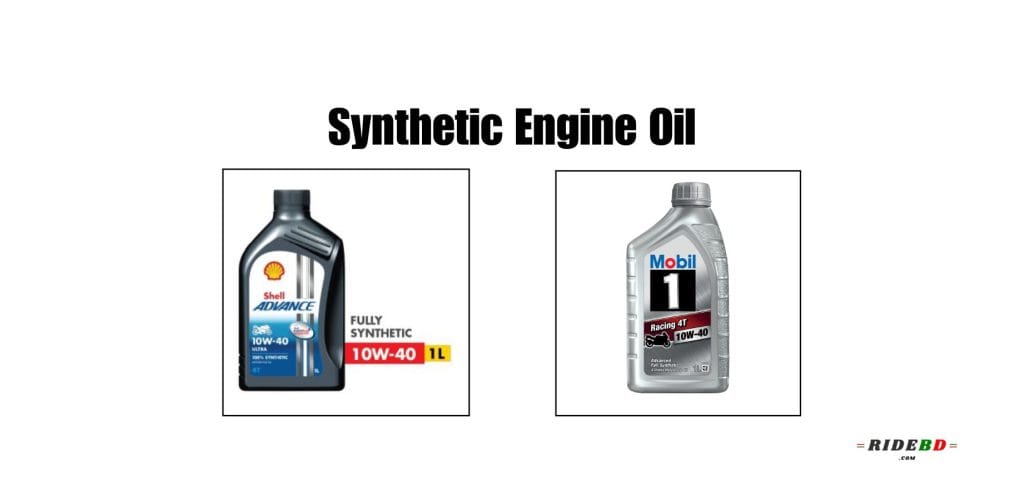
Fully synthetic oil offers better performance for bikes compared to mineral oil. It provides superior lubrication and reduces engine wear.
Choosing the right engine oil for your bike can be tricky. Fully synthetic oil offers several advantages that make it a popular choice among bikers. Let’s dive into what makes it special.
Superior Performance
Fully synthetic oil ensures top-notch performance. It includes advanced additives that enhance engine efficiency. Here are some key benefits:
- Enhanced Lubrication: Reduces friction for a smoother ride.
- Better Stability: Maintains viscosity at extreme temperatures.
- Cleaner Engine: Minimizes deposits and sludge.
Longevity
Synthetic oils last longer. This means fewer oil changes and better engine protection over time.
Consistent Viscosity
Maintaining consistent viscosity is crucial for engine health. Fully synthetic oil excels in this area:
- Extreme Temperatures: Stays stable in hot and cold conditions.
- Less Thickening: Prevents oil from becoming too thick in the cold.
- Reliable Performance: Ensures smooth operation in varying climates.
Engine Protection
Your bike’s engine is its heart. Fully synthetic oil offers superior protection:
- Wear Reduction: Reduces metal-to-metal contact.
- Corrosion Prevention: Protects against rust and corrosion.
- Seal Protection: Keeps seals flexible and prevents leaks.
In essence, provides multiple benefits for your bike’s engine. From performance to protection, it covers all bases.
Mineral Oil
Choosing between fully synthetic oil and mineral oil depends on bike type and usage. Fully synthetic oil offers better performance and protection. Mineral oil, while cheaper, doesn’t last as long.
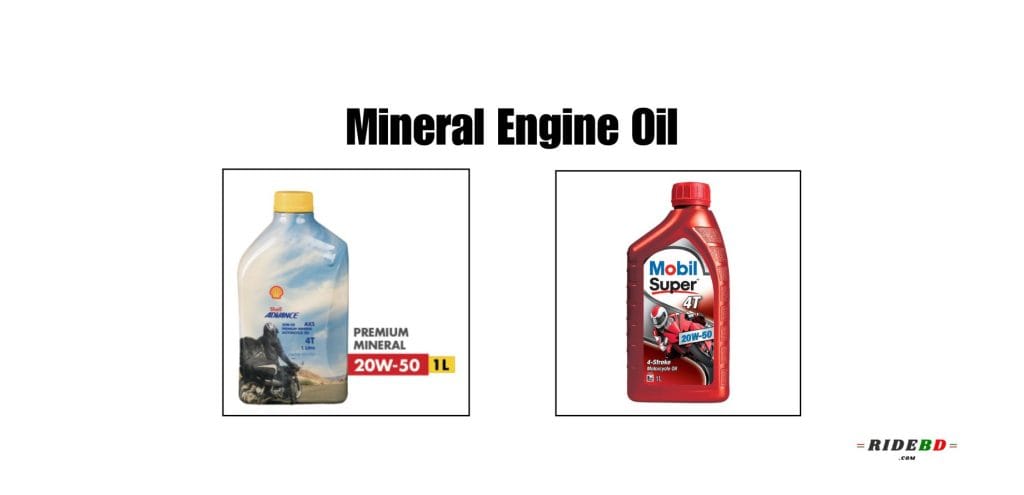
Choosing the right engine oil for your bike can be tricky. Mineral oil is a popular choice among many riders. Let’s explore why it might be right for your motorcycle.
What Is Mineral Oil?
Mineral oil is derived from refining crude oil. It has been used for decades in automotive engines.
Benefits Of Mineral Oil
Mineral oil offers several advantages. Here’s why some bikers prefer it:
- Cost-effective: Mineral oil is cheaper than synthetic options.
- Natural lubricants: They contain fewer additives, making it simpler.
- Good for older engines: Ideal for bikes with older engine designs.
- Easier to find: Widely available in most auto shops.
Performance Characteristics
Mineral oil performs differently in various conditions. Here’s a closer look:
- Viscosity stability: It maintains a consistent thickness at standard temperatures.
- Basic protection: Offers adequate protection for daily commuting.
- Heat management: Handles moderate heat well but may struggle in extreme conditions.
Maintenance And Longevity
Regular maintenance is crucial. Here’s what you need to know:
- Frequent changes: Needs more frequent oil changes than synthetic oils.
- Deposit buildup: More prone to forming engine deposits over time.
- Shorter lifespan: Breaks down faster, requiring closer attention to maintenance schedules.
Suitable Bikes
Certain bikes are better suited for mineral oil. Here’s a brief overview:
- Classic models: Older bikes benefit from their composition.
- Low-performance engines: Ideal for bikes not used for high-speed or racing.
- Budget-friendly: Great for riders looking to save on maintenance costs.
Environmental Impact
Considering the environment is essential. Mineral oil has its impact:
- Refining process: Produces more pollutants during refinement.
- Biodegradability: Less biodegradable compared to synthetic oils.
- Disposal concerns: Needs careful disposal to prevent environmental harm.
Choosing mineral oil comes down to your bike’s needs and your riding habits. Understanding these factors helps make an informed decision.
Frequently Asked Questions
What Is Fully Synthetic Oil?
Fully synthetic oil is a man-made lubricant. It offers superior performance and protection. It is designed for high-performance engines.
What Is Mineral Oil?
Mineral oil is a natural lubricant. It is refined from crude oil. It is suitable for standard engine use.
Which Oil Offers Better Engine Protection?
Fully synthetic oil provides better engine protection. It resists high temperatures and reduces wear. It is ideal for high-stress conditions.
Is Fully Synthetic Oil More Expensive?
Yes, fully synthetic oil is more expensive. It offers better performance and protection. The higher cost reflects its advanced formulation.
Conclusion
Choosing the right engine oil for your bike is crucial. Fully synthetic oil offers better performance and protection. Mineral oil is more affordable and good for older bikes. Consider your bike’s needs and your riding style. Remember, regular oil changes ensure a healthy engine.
Consult your bike’s manual for specific recommendations. Ultimately, the best oil depends on your priorities and budget. Happy riding!